
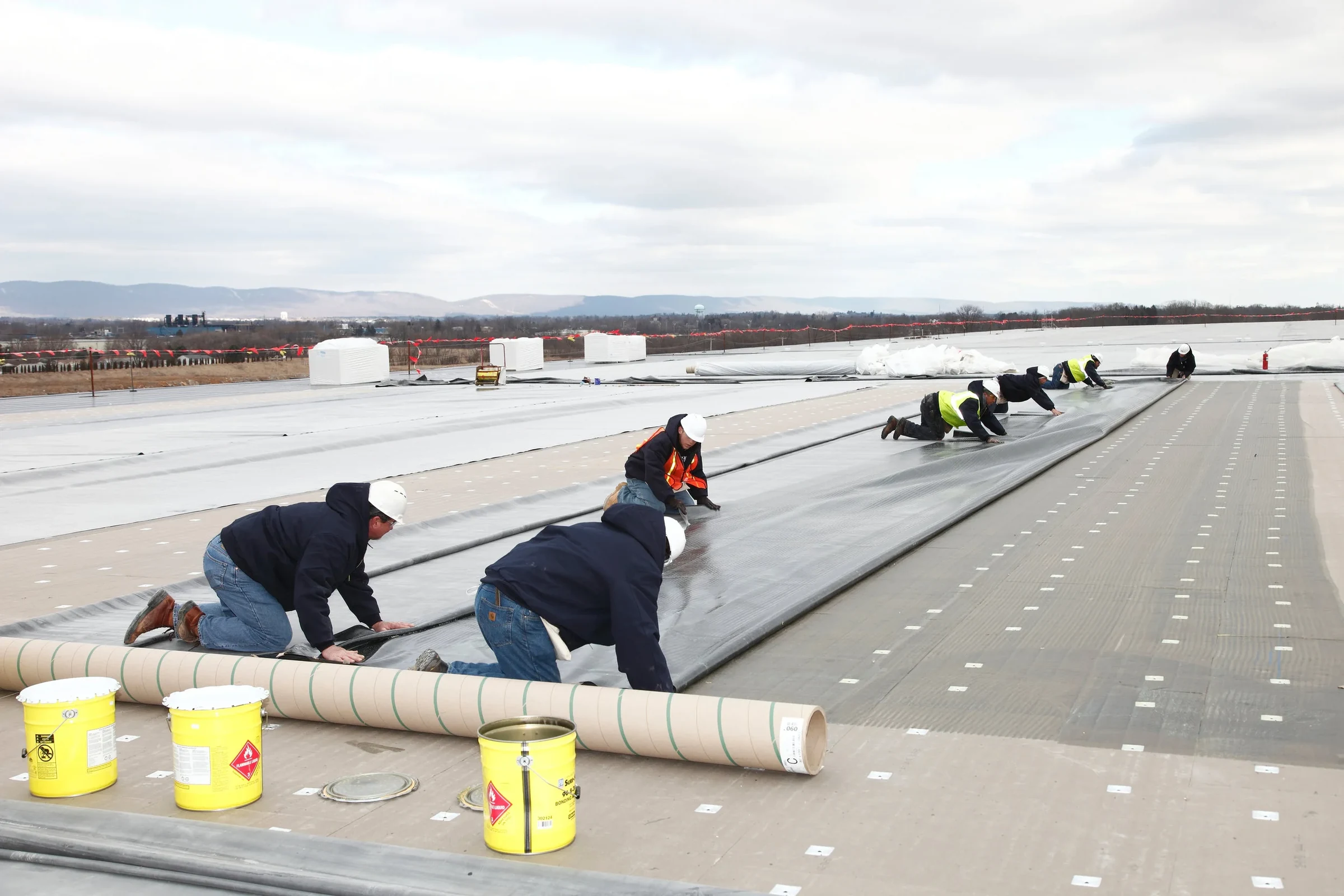
Working With Carlisle SynTec Membrane Systems
Carlisle SynTec Systems manufactures EPDM, TPO, and PVC roofing membranes and is one of the longer-established names in single-ply roofing, with roots going back to some of the earliest commercial EPDM formulations. When we spec a Carlisle system on an Eugene roof, it's because the specific membrane line fits the building's exposure, not because of the brand name alone.
Product Line Overview
Carlisle's catalog spans EPDM in black and white, TPO in multiple thicknesses, and PVC membrane, along with the insulation, fasteners, and accessory products that go with a full system spec. Having membrane, insulation, and accessories from one manufacturer simplifies warranty coverage on a project, since the whole assembly is documented under a single system rather than mixed components from different suppliers.
For Eugene buildings, the practical decision point is usually membrane type rather than manufacturer; EPDM versus TPO versus PVC based on the roof's drainage, traffic, and exposure; and Carlisle offers a credible option in each category.
Manufacturer Training and Warranty Requirements
Like most major membrane manufacturers, Carlisle requires installers to complete product-specific training and follow documented installation procedures before a project qualifies for the manufacturer's extended warranty coverage. That process exists industry-wide, not as a Carlisle-specific feature, but it's worth understanding before an owner assumes any crew can install a warrantied Carlisle system.
We review warranty terms and installation requirements with owners at the proposal stage so there's no surprise later about what triggers or voids manufacturer coverage on a Carlisle roof.
- Manufactures EPDM, TPO, and PVC membrane along with insulation and accessories
- Full-system sourcing simplifies manufacturer warranty documentation
- TPO and PVC lines use heat-welded seams for wet-climate durability
- Installer training and documented procedures are required for extended warranty coverage
- Membrane type, not brand alone, drives our recommendation for a given roof
- One of several established manufacturers we compare on a given project
Fit for Willamette Valley Rain Exposure
Carlisle's TPO and PVC lines use heat-welded seams, which we favor on roofs that stay wet for extended stretches of the year, since a welded seam doesn't depend on adhesive bond strength holding up under sustained moisture the way a taped EPDM seam does. Where a building's roof field is simple and drainage is solid, Carlisle EPDM remains a reasonable, well-established option too.
Ponding tolerance, moss resistance, and cold-weather flexibility vary by membrane type more than by manufacturer, so our recommendation on a Carlisle-branded system still comes down to matching TPO, PVC, or EPDM to the specific roof condition, described elsewhere on our roof-systems pages.
Documentation for Insurance and Ownership Records
When a Carlisle system goes on a roof, we document the specific product line, thickness, and installation date as part of the project record, which matters if a storm event later triggers an insurance claim or if the building changes ownership and the warranty needs to transfer. Manufacturer warranties are typically tied to specific documentation rather than the simple fact that a Carlisle product was used.
We keep that paperwork organized from day one rather than reconstructing it after a claim, since incomplete documentation is one of the more common reasons a warranty claim gets delayed. We don't default to one manufacturer across every job, either; Carlisle competes with several other established membrane makers, and the right choice depends on membrane type, project budget, and sometimes product availability at the time of the job. We'll walk owners through comparable options across manufacturers when more than one credible system fits the roof.
Carlisle's Fleece-Backed and Reinforced Options
Beyond standard TPO and PVC sheet, Carlisle produces fleece-backed and reinforced membrane variants intended for roofs where added puncture resistance or a fully adhered installation method makes sense. We consider these on projects with unusual traffic patterns or where the substrate condition favors a fully adhered system over mechanically attached membrane.
These specialty products cost more than standard sheet, and we only bring them up when the roof's specific condition calls for that added resistance rather than presenting every Carlisle option on every job.
Regional Distribution and Lead Times
Carlisle maintains distribution serving the Pacific Northwest, which generally keeps material lead times reasonable for scheduled projects. For emergency or storm-driven work, material availability still factors into how quickly a full system replacement can start, and we communicate realistic timelines to owners rather than promising a delivery date we can't confirm with the distributor. That distinction matters most during the Valley's wet season, when a roof waiting on backordered membrane sits exposed under emergency tarps longer than anyone wants.
Questions on Carlisle SynTec Systems
Does using Carlisle products guarantee a better warranty?
The warranty depends on the specific product line, installation compliance with manufacturer procedures, and documentation, not the brand name by itself.
Is Carlisle EPDM still a reasonable choice for a Eugene roof?
Yes, on roofs with a simple field and solid drainage history. We weigh membrane type against the roof's condition before recommending a specific product line.
Do Carlisle TPO seams hold up in constant rain?
The heat-welded seam method is the same wet-climate advantage we look for across manufacturers' TPO and PVC lines; a fused bond rather than an adhesive that can be undermined by sustained moisture.
What documentation does a Carlisle warranty require?
Typically the specific product, thickness, and verified installation compliance. We maintain that project documentation from the start rather than reconstructing it later.
Do you only install Carlisle systems?
No. We compare Carlisle against other established manufacturers based on membrane type, budget, and the specific building's needs for each project.